Image: OVHcloud / AFP
The EU-Morocco Digital Dialogue aims to deepen cross-Mediterranean AI cooperation and chip away at US and Chinese dominance.
The European Union and Morocco have signed a range of deals aimed at fostering closer cooperation in artificial intelligence, as the two sides work to create a “third voice” in the global AI industry.
The EU-Morocco Digital Dialogue was launched yesterday, which is aimed at enabling “cooperation in areas such as AI, support for digital start-ups, secure and trusted digital infrastructure, as well as interoperability of public digital infrastructure solutions.”
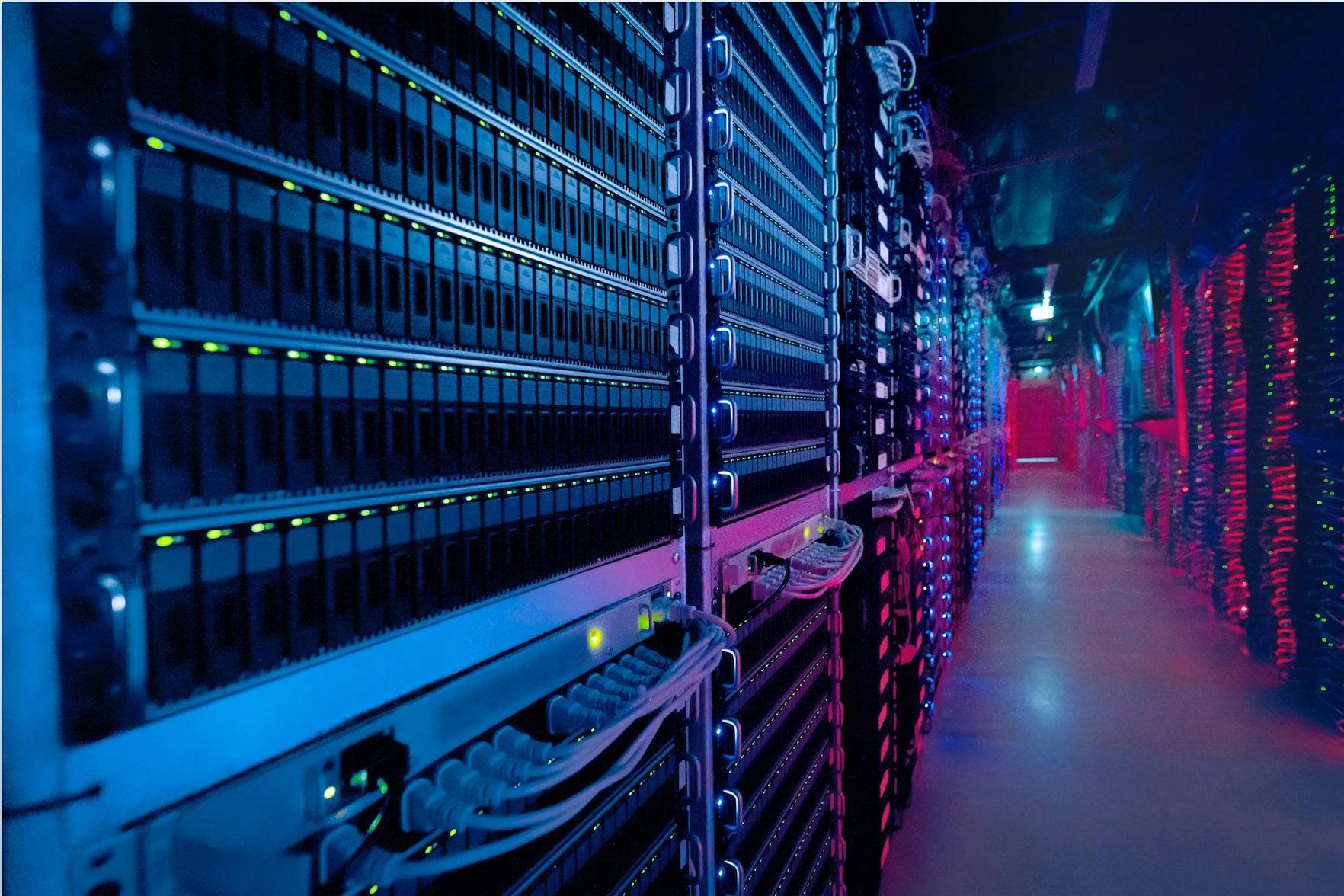
The Dialogue will also facilitate advanced cooperation between Moroccan AI research institutes and AI factories, with four European supercomputing centres partnering with Morocco’s Mohammed VI University, which is home to Africa’s most powerful supercomputer.
Work also remains ongoing on the Medusa Optical Fibre Cable, which will connect Morocco, Algeria, Egypt, and Tunisia with Cyprus, France, Italy, Portugal, and Spain. When completed, the subsea cable will allow SMEs and universities in North Africa to benefit from greatly improved internet speeds.
‘Morocco is moving very fast’
Speaking at this week’s GITEX conference in Marrakech, Henna Virkkunnen, EU’s executive vice-president for tech sovereignty, security, and democracy, said that “Morocco and the European Union are bound by a very long and strategic partnership rooted in history, culture, and innovation.”
“From the other side of the Mediterranean, we see and feel that Morocco is moving very fast in the field of digital transformation,” she said.
“Morocco is an African leader in terms of mobile and fixed connectivity rollouts, while it is also digitising public services at a record speed, fostering a thriving startup ecosystem, and developing an ambitions AI strategy.”
Virkkunnen added that the EU would be working on further fibre optic cable projects in West and East Africa.
Amal El Fallah Seghrouchni, Morocco’s minister for digital transition and administrative reform, said that this enhanced cooperation in AI is based on a shared approach to the growing AI space.
An emerging “third voice” in AI?
The narrative around AI has largely been dominated by the United States, which is focused more on unleashing its tech giants to innovate and less on issues such as data protection, and China, which is promoting its state-led development model.
However, Seghrouchni argued that the EU and Morocco are trying to establish a “third voice” between these two models.
“On AI, we are mostly aligned with the European vision around privacy, data protection, cloud sovereignty, and AI for good,” she said.
She added that, for the EU, these shared values and Morocco’s status as a “gateway” for the African market incentivised closer cooperation.
Seghrouchni told African Business that further collaboration between the EU and Morocco could be in store.
“We have agreed with the European Union to partner on AI-related infrastructure and training,” she noted. “The European Union are also very interested in building an AI factory in Rabat.”
Morocco is currently rolling out a network of regional AI centres.
Alternative to war-wracked Gulf
The ongoing war in the Middle East could make Morocco a more attractive partner for countries, including in Europe, looking to establish data hubs and AI factories abroad.
There are currently believed to be over 300 data centres in the Middle East – with the market dominated by the United Arab Emirates and Saudi Arabia – but the attacks on tech infrastructure in the Gulf could prompt a reassessment.
Seghrouchni says that “data should be protected and resilience is critical – what happened with AWS’ [Amazon Web Services] data centres in the Middle East showed us that we need to think carefully about resilience.”